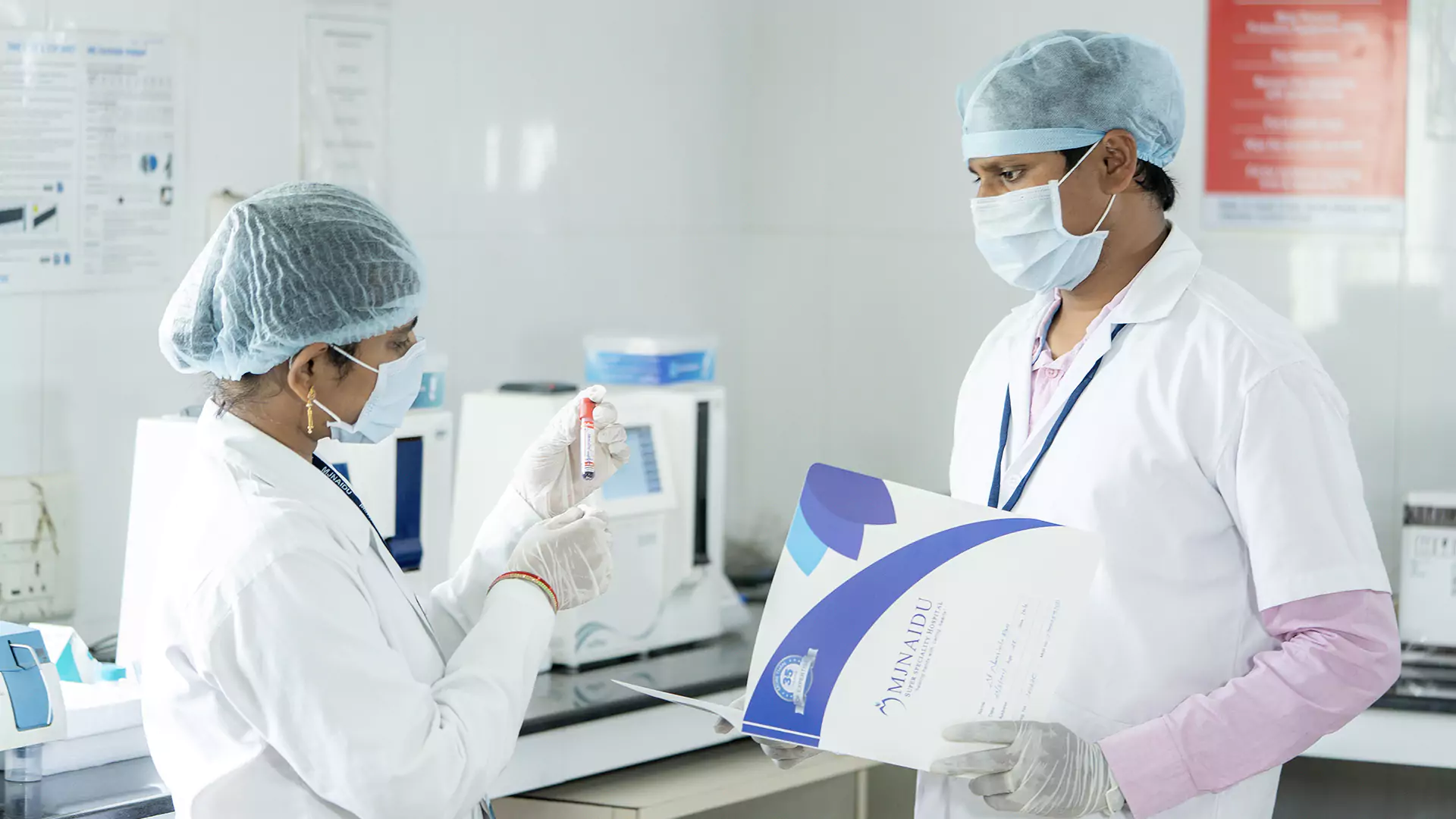
At MJ Naidu Super Specialty Hospital, we believe in harnessing the body’s innate ability to heal itself, and Platelet-Rich Plasma (PRP) Therapy is an exciting advancement in orthopedic medicine that exemplifies this principle. PRP Therapy, short for Platelet-Rich Plasma Therapy, is a cutting-edge, non-surgical procedure that has revolutionized the way we treat a myriad of orthopedic conditions.
To comprehend the marvel of PRP Therapy, one must first understand what Platelet-Rich Plasma is. Platelets are tiny blood cells that play a pivotal role in clotting and wound healing. However, these platelets contain much more than meets the eye – they are packed with growth factors, proteins, and other bioactive substances that stimulate tissue repair and regeneration.
In the body’s natural healing process, platelets are dispatched to an injured site, where they release their potent growth factors and cytokines. These growth factors orchestrate a complex cascade of events, triggering the repair and regeneration of damaged tissues, whether it be in muscles, tendons, ligaments, or even arthritic joints. Essentially, PRP acts as a turbocharger for the body’s own healing mechanisms, enhancing the speed and effectiveness of recovery.
In the subsequent sections, we will delve deeper into the science of PRP Therapy, the conditions it can effectively address, and how MJ Naidu Super Specialty Hospital is at the forefront of providing this transformative treatment. With PRP Therapy, we aim to offer our patients a minimally invasive, drug-free, and highly effective approach to orthopedic healing, paving the way for a brighter, pain-free future.
Platelet-Rich Plasma (PRP) Therapy has emerged as a versatile and effective treatment option for a range of orthopedic conditions. At MJ Naidu Super Specialty Hospital, we offer PRP Therapy for the following common orthopedic issues:
Osteoarthritis: Platelet-Rich Plasma (PRP) injections into arthritic joints can alleviate pain, reduce inflammation, and promote the regeneration of damaged cartilage. This may delay or even obviate the need for joint replacement surgery.
Tendon Injuries: Platelet-Rich Plasma (PRP)can accelerate the healing of tendon injuries, such as rotator cuff tears, tennis elbow, and Achilles tendonitis. It promotes tissue repair, reduces pain, and enhances functionality.
Ligament Issues: Platelet-Rich Plasma (PRP) can be beneficial for treating ligament injuries, such as ACL (Anterior Cruciate Ligament) tears or MCL (Medial Collateral Ligament) sprains. It helps strengthen and repair ligaments, improving stability and reducing the risk of recurrent injuries.
Muscle Injuries: Platelet-Rich Plasma (PRP) Therapy aids in the recovery of muscle injuries, such as strains or tears. It can expedite healing, reduce pain, and improve muscle function.
Cartilage Damage: For patients with cartilage defects or injuries, Platelet-Rich Plasma (PRP) injections can stimulate the growth of healthy cartilage tissue, potentially avoiding the progression of degenerative joint diseases.
Spinal Disc Degeneration: Platelet-Rich Plasma (PRP) Therapy can be considered for patients with spinal disc degeneration, offering a minimally invasive option to reduce pain, improve mobility, and potentially delay the need for surgery.
Plantar Fasciitis: Platelet-Rich Plasma (PRP) injections can alleviate chronic heel pain by promoting tissue healing and reducing inflammation in the plantar fascia.
Fracture Healing: Platelet-Rich Plasma (PRP) can enhance the healing of bone fractures by accelerating the formation of callus and reducing the recovery time.
Tendinopathy (Tendon Overuse Injuries): Platelet-Rich Plasma (PRP) Therapy can provide relief for conditions like tendinopathy, often seen in athletes, by promoting tissue repair and reducing pain.
Joint Instability: For patients with joint instability, Platelet-Rich Plasma (PRP) can help strengthen the surrounding structures, providing improved joint stability and function.
It’s important to note that while Platelet-Rich Plasma (PRP) Therapy offers significant potential benefits for these orthopedic conditions, individual results can vary. The success of Platelet-Rich Plasma (PRP) treatment depends on several factors, including the severity of the condition and the patient’s overall health. At MJ Naidu Super Specialty Hospital, our experienced orthopedic team will assess each case thoroughly to determine the most appropriate treatment plan, including Platelet-Rich Plasma (PRP) Therapy, to optimize the patient’s outcome.
Platelet-Rich Plasma (PRP) Therapy is founded on a fundamental principle: harnessing the body’s own natural healing mechanisms to promote tissue repair and regeneration. This innovative orthopedic treatment begins with the collection and preparation of Platelet-Rich Plasma (PRP), derived from the patient’s own blood.
Preparation of Platelet-Rich Plasma (PRP) from a Patient’s Own Blood:
Blood Collection: The Platelet-Rich Plasma (PRP) process initiates with a simple and minimally invasive blood draw from the patient, typically from the arm. This blood sample is no different from a routine blood test.