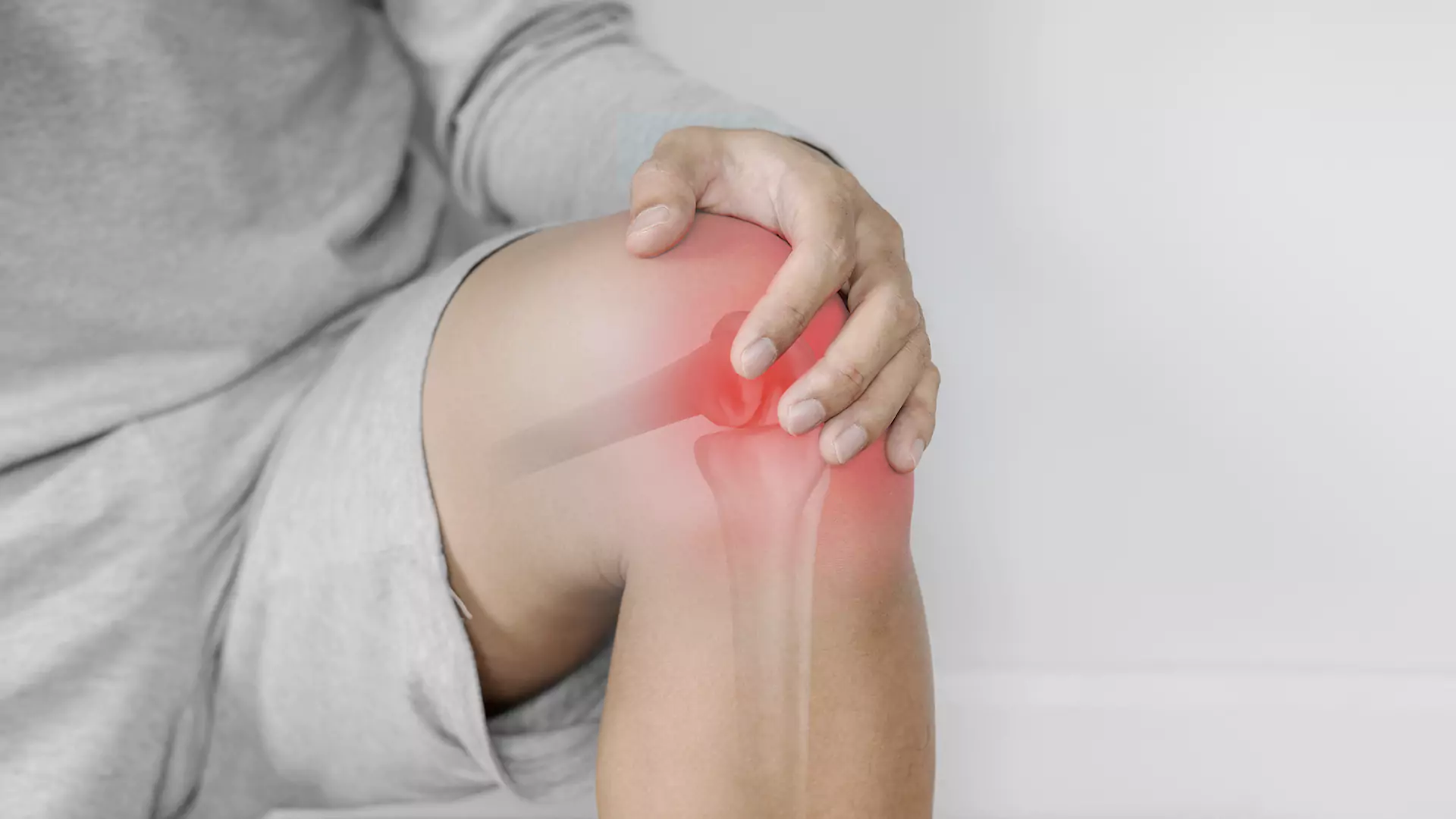
The advantages of adopting joint preservation are multifaceted:
Reduced Surgical Risks: Joint preservation techniques typically involve lower surgical risks compared to major joint replacement surgery, making them a safer option for many patients.
Shorter Recovery Times: Minimally invasive procedures and non-surgical treatments frequently result in shorter recovery periods, allowing individuals to return to their daily activities more swiftly.
Preservation of the Natural Joint: Joint preservation strategies prioritize maintaining the integrity of the patient’s natural joint, potentially delaying or avoiding the need for artificial joint replacement.
Improved Function and Quality of Life: Joint preservation aims to alleviate pain, enhance joint function, and enhance the patient’s overall quality of life.
Joint preservation is particularly relevant in various scenarios where preserving the natural joint is not only possible but also preferable. Key indications include:
Early to Moderate Joint Degeneration: Joint preservation is most effective in the early to moderate stages of joint degeneration, making it suitable for conditions like osteoarthritis.
Conservative Treatment Not Fully Effective: When conservative treatments are not fully effective in managing joint-related symptoms, joint preservation can offer additional options to enhance outcomes.
Preferential Non-Invasive Approach: Many individuals prefer non-invasive or minimally invasive treatments over major surgery, making joint preservation an ideal choice for those with this preference.
Desire to Maintain Natural Joint: Some patients are motivated to preserve their natural joint for as long as possible, particularly among younger individuals who wish to postpone joint replacement surgery.
Minimize Surgical Risks: Joint preservation procedures often come with lower surgical risks, which can be a deciding factor for individuals concerned about complications and risks associated with surgery.
Aim to Shorten Recovery Time: Minimally invasive joint preservation procedures result in shorter recovery times, ideal for patients looking to return to their normal activities quickly.
Customized Treatment Plans: Joint preservation allows for highly personalized treatment plans tailored to the patient’s specific condition, lifestyle, and preferences.
Multiple Affected Joints: Joint preservation can be a more practical approach in cases where multiple joints are affected, allowing for the simultaneous management of various joints.
Younger Age: Younger individuals with joint issues may choose joint preservation to delay the use of artificial joint replacements, which typically have a limited lifespan, thus extending the time before considering joint replacement.
In summary, joint preservation at MJ Naidu Super Specialty Hospital is your pathway to maintaining a pain-free, active life while avoiding the need for invasive joint replacement surgery. Our dedicated team of orthopedic specialists is ready to guide you through this journey, offering personalized care, cutting-edge technology, and a commitment to your well-being. With our expertise, we’re here to help you make the best choices for your joint health, ensuring a brighter and more active future.