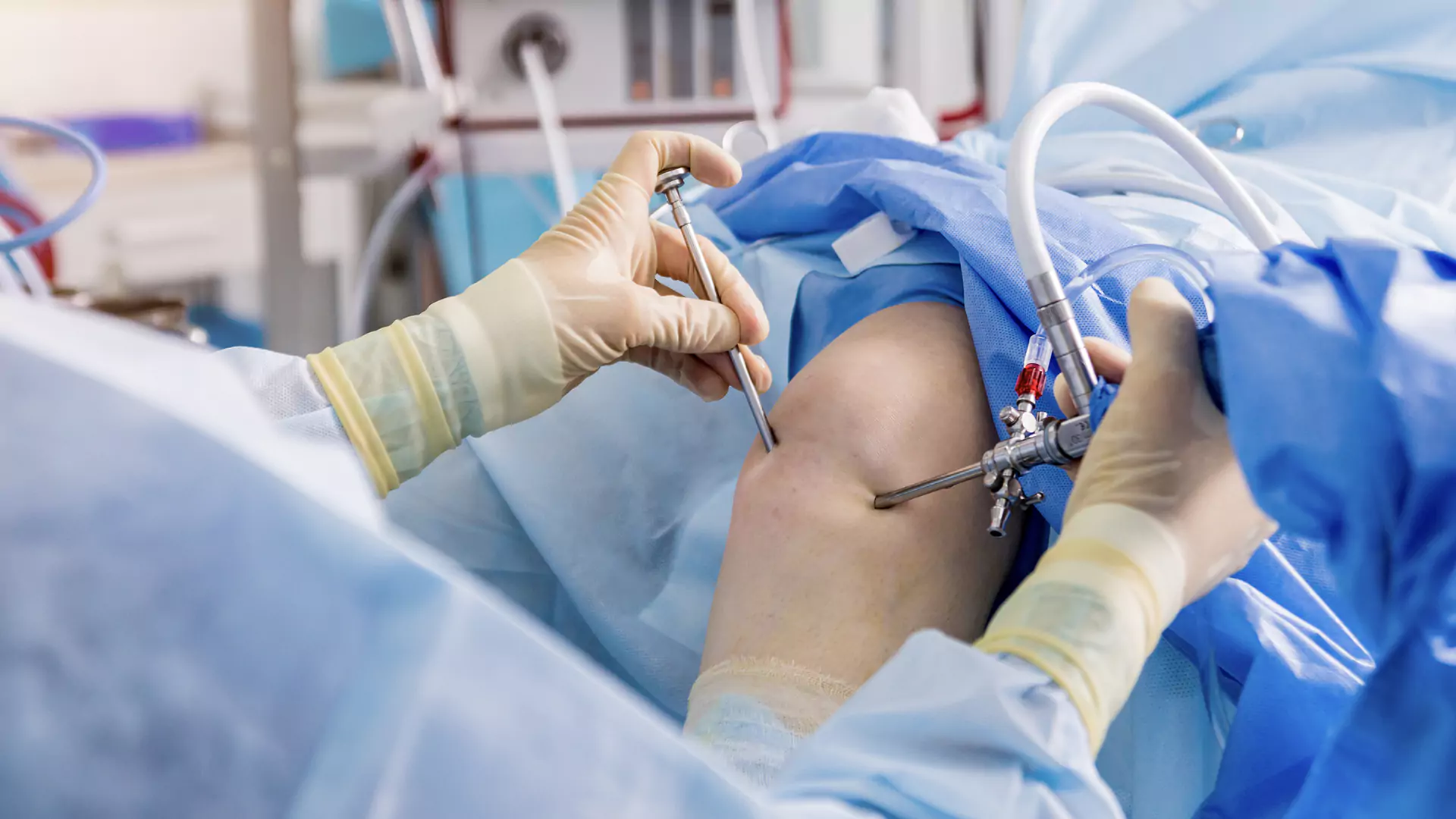
Best Arthroscopy In Vijayawada
Welcome to MJ Naidu Super Specialty Hospital, where we are committed to delivering world-class orthopedic care. Our hospital places paramount importance on staying at the forefront of medical technology and techniques to ensure our patients receive the highest level of care. Arthroscopy stands out as a pioneering procedure that has transformed the approach to diagnosing and treating joint-related conditions. This minimally invasive surgical technique has redefined the field of orthopedics, enabling surgeons to diagnose and address a wide spectrum of joint-related issues with exceptional precision while minimizing disruption to the patient’s body.
Understanding Arthroscopy: Pioneering Orthopedic Precision
Arthroscopy is a groundbreaking surgical procedure that has redefined how we approach joint-related issues. At MJ Naidu Super Specialty Hospital, we are dedicated to harnessing the power of arthroscopy to benefit our patients. This minimally invasive technique enables our orthopedic surgeons to visualize, diagnose, and treat a wide range of joint conditions with exceptional precision.
Arthroscopy is a medical procedure that involves the use of a tiny camera, called an arthroscope, and small incisions to access and treat problems within a joint. It has become a cornerstone of modern orthopedic surgery. Arthroscopy is commonly performed on the knee, shoulder, hip, and ankle joints, although it can be used for other joints as well.
Arthroscopy: How It Works
The primary goal of arthroscopy is to provide a clear view of the joint’s interior while minimizing trauma to the surrounding tissues. Here’s a step-by-step breakdown of how the procedure works:
Anesthesia: Before the surgery, local or general anesthesia is administered to ensure the patient’s comfort.
Incisions: Small incisions, typically no larger than a few millimeters, are made around the joint.
Arthroscope Insertion: An arthroscope, a thin, flexible tube with a light and camera at the tip, is inserted into one of the incisions. This allows the surgeon to visualize the joint’s interior on a monitor in real-time.
Exploration and Diagnosis: With the arthroscope in place, the surgeon explores the joint, assessing its condition and identifying any issues.
Treatment: If necessary, additional small incisions may be made to introduce surgical instruments for repairs or removal of damaged tissue.
Closure: After the procedure, the incisions are closed with sutures or adhesive strips, and the joint is bandaged.
Applications of Arthroscopy
Knee Arthroscopy: Knee problems can be incredibly devastating, and arthroscopy is a powerful tool in addressing them. Our expert orthopedic surgeons use knee arthroscopy to diagnose and treat conditions such as meniscus tears, ligament injuries, and cartilage damage. By opting for this minimally invasive approach, patients experience reduced recovery time and postoperative discomfort.
Shoulder Arthroscopy: Shoulder pain and instability can be challenging to live with. Through shoulder arthroscopy, we have the capability to diagnose and repair conditions like rotator cuff tears and shoulder impingement. This minimally invasive technique facilitates a quicker path to recovery.
Hip Arthroscopy: Hip conditions, such as labral tears and femoroacetabular impingement (FAI), can be effectively treated with arthroscopy. At MJ Naidu Super Specialty Hospital, our orthopedic surgeons leverage this procedure to restore joint function with minimal scarring and reduced risk of complications.
Ankle Arthroscopy: Ankle issues, including impingement and synovitis, can significantly impact your quality of life. Our orthopedic experts employ ankle arthroscopy to address these problems, helping you regain your mobility with minimal postoperative discomfort.
Advantages of Arthroscopy
Arthroscopy offers several distinct advantages over traditional open surgery, making it a preferred choice for patients.
Minimally Invasive: Arthroscopy involves smaller incisions, resulting in less tissue damage and scarring compared to open surgery.
Faster Recovery: Patients typically experience quicker recovery times, reduced pain, and a shorter hospital stay.
Accurate Diagnosis: The high-definition camera in the arthroscope provides an excellent view of the joint, allowing for accurate diagnosis and targeted treatment.
Reduced Infection Risk: Smaller incisions reduce the risk of infection compared to larger open incisions.
Less Pain: Patients often report less postoperative pain, which can be managed with over-the-counter pain medication in many cases.
Better Cosmetic Outcome: The smaller incisions result in less visible scarring, which can be particularly important for cosmetic reasons in some cases.
Lower Healthcare Costs: Shorter hospital stays and quicker recovery times can lead to reduced healthcare costs for both patients and healthcare systems.