Ligament Issues: Platelet-Rich Plasma (PRP) can be beneficial for treating ligament injuries, such as ACL (Anterior Cruciate Ligament) tears or MCL (Medial Collateral Ligament) sprains. It helps strengthen and repair ligaments, improving stability and reducing the risk of recurrent injuries.
Muscle Injuries: Platelet-Rich Plasma (PRP) Therapy aids in the recovery of muscle injuries, such as strains or tears. It can expedite healing, reduce pain, and improve muscle function.
Cartilage Damage: For patients with cartilage defects or injuries, Platelet-Rich Plasma (PRP) injections can stimulate the growth of healthy cartilage tissue, potentially avoiding the progression of degenerative joint diseases.
Spinal Disc Degeneration: Platelet-Rich Plasma (PRP) Therapy can be considered for patients with spinal disc degeneration, offering a minimally invasive option to reduce pain, improve mobility, and potentially delay the need for surgery.
Plantar Fasciitis: Platelet-Rich Plasma (PRP) injections can alleviate chronic heel pain by promoting tissue healing and reducing inflammation in the plantar fascia.
Fracture Healing: Platelet-Rich Plasma (PRP) can enhance the healing of bone fractures by accelerating the formation of callus and reducing the recovery time.
Tendinopathy (Tendon Overuse Injuries): Platelet-Rich Plasma (PRP) Therapy can provide relief for conditions like tendinopathy, often seen in athletes, by promoting tissue repair and reducing pain.
Joint Instability: For patients with joint instability, Platelet-Rich Plasma (PRP) can help strengthen the surrounding structures, providing improved joint stability and function.
It’s important to note that while Platelet-Rich Plasma (PRP) Therapy offers significant potential benefits for these orthopedic conditions, individual results can vary. The success of Platelet-Rich Plasma (PRP) treatment depends on several factors, including the severity of the condition and the patient’s overall health. At MJ Naidu Super Specialty Hospital, our experienced orthopedic team will assess each case thoroughly to determine the most appropriate treatment plan, including Platelet-Rich Plasma (PRP) Therapy, to optimize the patient’s outcome.
Separation of Components: During centrifugation, the blood is divided into its main constituents: red blood cells, white blood cells, plasma, and platelets. Platelet-Rich Plasma (PRP) is derived from the plasma portion, which contains a concentration of platelets significantly higher than what is typically found in whole blood.
Growth Factors in Platelet-Rich Plasma (PRP):
The magic of Platelet-Rich Plasma (PRP) lies in the concentrated growth factors present within the plasma. Platelets, traditionally recognized for their role in clot formation, contain a treasure trove of growth factors, cytokines, and bioactive proteins that are essential for tissue repair and regeneration. These factors include:
Platelet-Derived Growth Factor (PDGF): PDGF stimulates cell proliferation and plays a crucial role in wound healing and tissue regeneration.
Transforming Growth Factor-Beta (TGF-β): TGF-β is essential for collagen production, tissue remodeling, and immune response modulation.
Vascular Endothelial Growth Factor (VEGF): VEGF promotes the formation of new blood vessels, which is crucial for delivering oxygen and nutrients to healing tissues.
Fibroblast Growth Factor (FGF): FGF supports the growth and maintenance of various cell types, particularly in the formation of connective tissues.
Epidermal Growth Factor (EGF): EGF assists in skin and epithelial cell regeneration, contributing to the healing of wounds.
These growth factors work synergistically to expedite the body’s natural healing process. When Platelet-Rich Plasma (PRP) is injected into the affected area, it acts as a catalyst, accelerating tissue repair and regeneration by providing an abundant supply of these growth factors.
As a result:
- Inflammation is reduced.
- New blood vessels are formed (angiogenesis).
- Tissue repair is accelerated.
- Collagen production is enhanced.
- The overall healing process is intensified.
At MJ Naidu Super Specialty Hospital, we’re dedicated to maximizing the potential of Platelet-Rich Plasma (PRP) Therapy to enhance the recovery and well-being of our patients. By utilizing a patient’s own blood and the potent growth factors within Platelet-Rich Plasma (PRP), we’re able to offer a safe and effective means of tissue regeneration, bringing relief and renewed hope to those with orthopedic conditions.
Step 3: Centrifugation
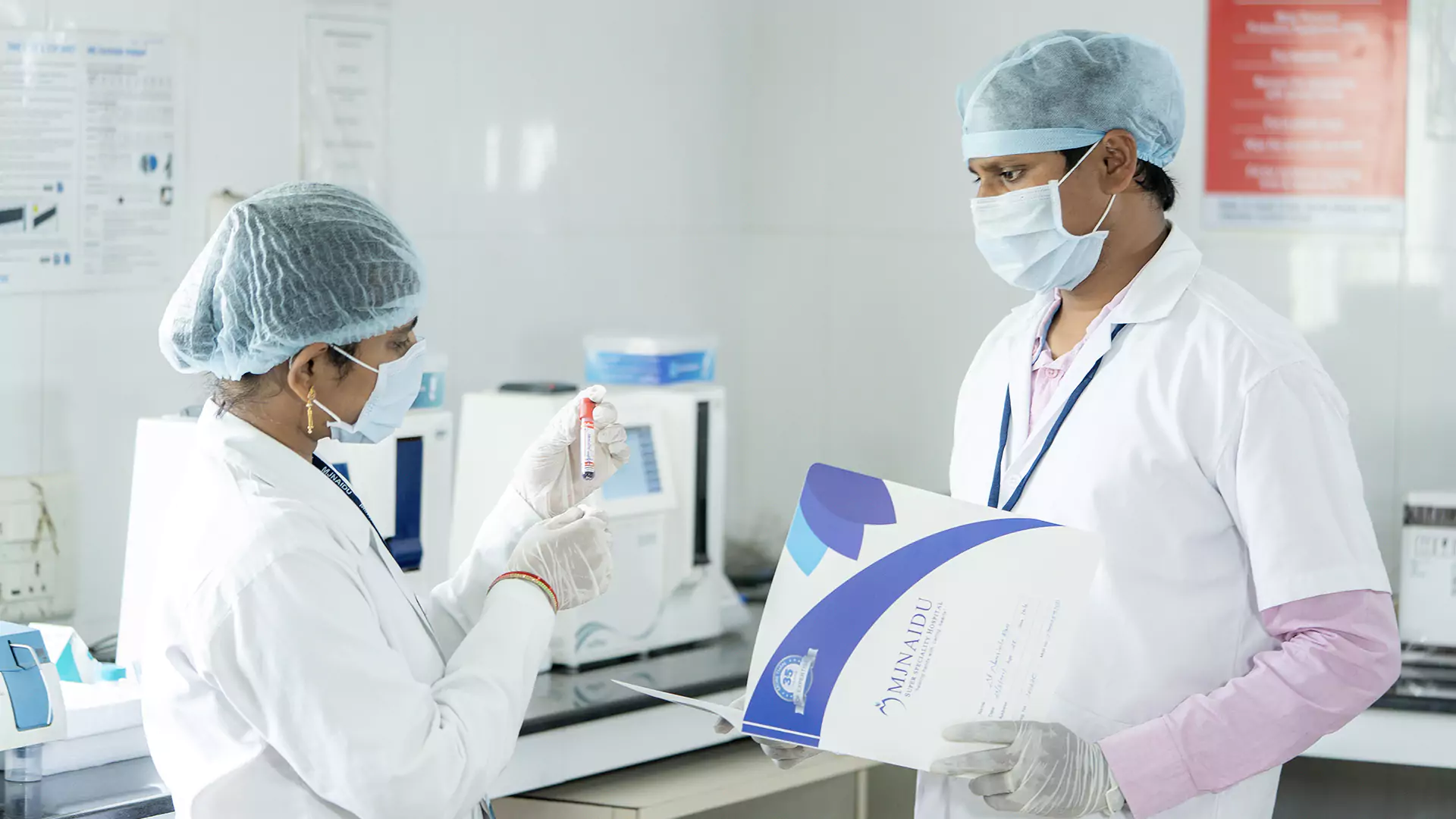
- The collected blood is then placed in a specialized centrifuge machine. This centrifuge rapidly spins the blood, separating it into its different components. The plasma, which contains a high concentration of platelets, is isolated.
Step 4: Activation
- At MJ Naidu Super Specialty Hospital, we may employ advanced techniques for Platelet-Rich Plasma (PRP) activation. This step can involve the addition of activating agents or using ultrasound guidance to enhance the efficacy of the Platelet-Rich Plasma (PRP).
Step 5: Targeted Injection
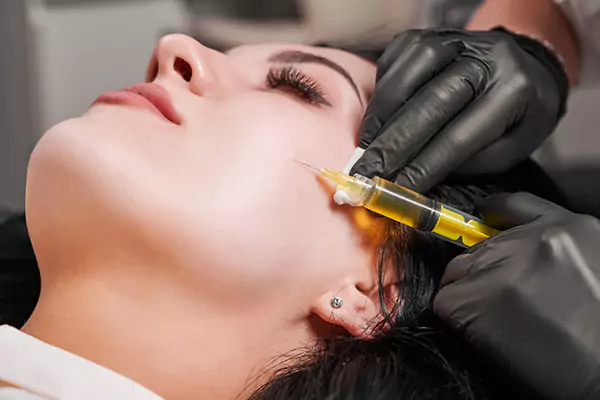
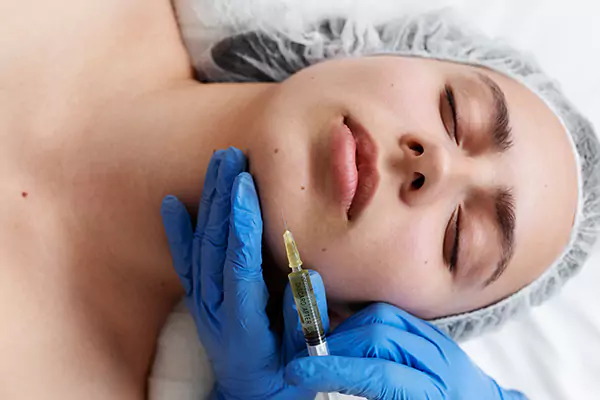
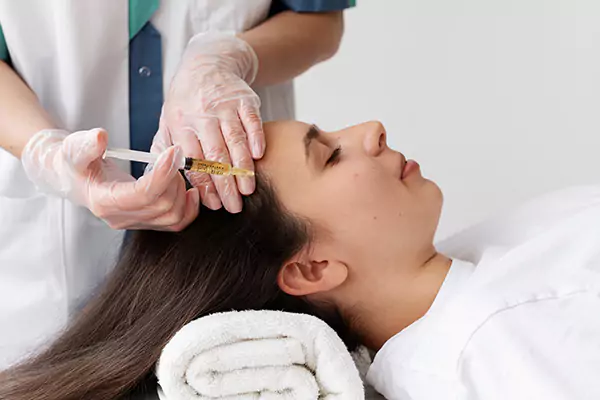
- Once the Platelet-Rich Plasma (PRP) is prepared, it is precisely injected into the affected area, guided by ultrasound or other imaging techniques, if necessary. The injection site and technique will vary depending on the specific orthopedic condition being treated.
Step 6: Post-Treatment Care
- After the injection, we provide instructions for post-treatment care. This typically involves avoiding strenuous activities, following any prescribed rehabilitation exercises, and attending follow-up appointments to monitor your progress.
Step 7: Monitoring and Follow-up
- Our team closely monitors your response to the Platelet-Rich Plasma (PRP) Therapy and may recommend additional injections as needed. We maintain open communication with our patients to ensure the best possible outcome.
Our Specific Protocols and Advanced Techniques: MJ Naidu Super Specialty Hospital is committed to staying at the forefront of orthopedic advancements. We may employ the following specific protocols and advanced techniques to enhance Platelet-Rich Plasma (PRP) Therapy effectiveness:
Advanced Imaging: We utilize cutting-edge imaging techniques, such as ultrasound or fluoroscopy, to precisely guide the injection to the affected area, ensuring optimal placement.
Customized Platelet-Rich Plasma (PRP) Formulation: Our experts tailor the PRP formulation to your specific condition, adjusting the concentration of platelets and growth factors as needed for the best results.
Combination Therapies: In some cases, we may combine Platelet-Rich Plasma (PRP) Therapy with other treatments, such as physical therapy, to maximize healing potential.
Patient-Centered Care: We emphasize patient education and involvement, ensuring that you are well-informed and actively engaged in your treatment plan.
At MJ Naidu Super Specialty Hospital, we pride ourselves on our commitment to excellence and innovation in orthopedic care. Our Platelet-Rich Plasma (PRP) Therapy is administered with the highest level of precision, safety, and consideration for each patient’s unique needs. We believe in empowering our patients on their journey to recovery, and Platelet-Rich Plasma (PRP) Therapy is just one example of our dedication to providing the best possible orthopedic care.
- Minimal Side Effects: Platelet-Rich Plasma (PRP) Therapy uses the patient’s own blood, reducing the risk of adverse reactions or complications. Because Platelet-Rich Plasma (PRP) is derived from the patient’s own body, it is generally well-tolerated and has minimal side effects.
- Non-Surgical Approach: One of the most significant advantages of Platelet-Rich Plasma (PRP) Therapy is that it is a non-surgical procedure. Patients can potentially avoid the risks, costs, and recovery time associated with surgery.
- Reduced Medication Dependency: Platelet-Rich Plasma (PRP) Therapy offers an alternative to long-term medication use, especially in cases of chronic pain or orthopedic conditions. By addressing the underlying issue, Platelet-Rich Plasma (PRP) can reduce the need for pain-relief medications, potentially minimizing their side effects.
- Long-Lasting Relief: Many patients experience long-lasting relief from their orthopedic conditions after Platelet-Rich Plasma (PRP) Therapy. This sustained improvement can enhance the overall quality of life, allowing individuals to return to their daily activities with reduced pain and increased functionality.
- Customized Treatment: Platelet-Rich Plasma (PRP) Therapy can be tailored to each patient’s specific needs, adjusting the concentration of platelets and growth factors based on the condition being treated. This personalized approach enhances the likelihood of a successful outcome.
- Minimized Downtime: Platelet-Rich Plasma (PRP) Therapy typically involves minimal downtime, allowing patients to resume their daily activities relatively quickly.
- Potential to Delay or Avoid Surgery: For some patients, Platelet-Rich Plasma (PRP) Therapy can effectively manage orthopedic conditions to the extent that surgical intervention may be delayed or even avoided altogether. This is particularly valuable for patients seeking alternatives to surgery or for those who are not surgical candidates.
In conclusion, Platelet-Rich Plasma (PRP) Therapy at MJ Naidu Super Specialty Hospital offers patients a holistic, patient-centered approach to orthopedic care. By harnessing the body’s own healing mechanisms, Platelet-Rich Plasma (PRP) can provide relief, improve healing, and enhance the overall quality of life while potentially reducing the need for surgery and medication. It’s an innovative and minimally invasive option that aligns with our commitment to the well-being and recovery of our patients.