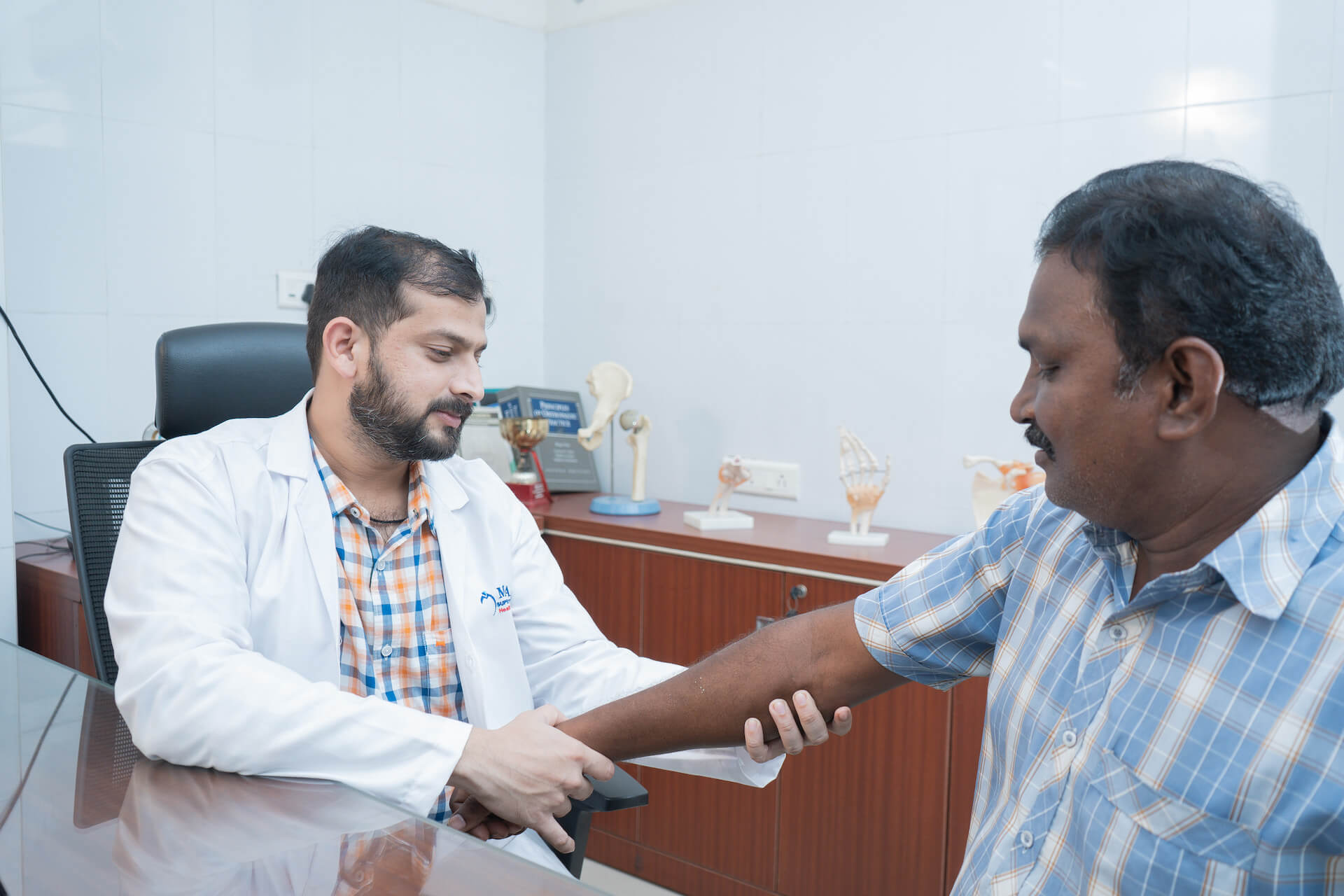
Diagnosing arthritis typically involves a combination of medical history, physical examination, and diagnostic tests. These may include:
Physical Examination: Your doctor will examine your joints for signs of inflammation, tenderness, and range of motion.
Imaging: X-rays, MRIs, and ultrasound can help visualize joint damage and assess the severity of arthritis.
Blood Tests: For autoimmune arthritis like rheumatoid arthritis, blood tests can detect specific antibodies and markers.
Joint Aspiration: In some cases, your doctor may aspirate (remove fluid from) a swollen joint to analyze it for signs of inflammation or infection.
Treatment for arthritis aims to reduce pain, improve joint function, and slow the progression of the disease. The approach to treatment can vary depending on the type of arthritis and its severity. Here are some common treatment options:
Physical Therapy: Physical therapists can design exercise programs to improve joint function and strengthen the muscles surrounding affected joints.
Occupational Therapy: Occupational therapists help individuals learn techniques and use adaptive devices to make daily tasks easier.
Lifestyle Changes: Maintaining a healthy weight, getting regular exercise, and protecting joints from injury can all help manage arthritis symptoms.
Surgery: In severe cases of arthritis, joint replacement surgery (e.g., knee or hip replacement) may be necessary to relieve pain and improve joint function.
Joint Preservation: Joint preservation refers to a set of strategies and techniques aimed at maintaining joint function and reducing the progression of arthritis. It involves a proactive approach to treatment, focusing on strategies to slow or halt joint degeneration, ultimately delaying or even preventing the need for joint replacement surgery.
Alternative Therapies: Some people find relief from arthritis symptoms through methods like acupuncture, dietary supplements, and herbal remedies. However, it’s essential to consult with a healthcare provider before trying alternative treatments.
While arthritis can be a challenging condition, there are many strategies for managing its impact on daily life:
Pain Management: Work closely with your healthcare team to develop a pain management plan that includes medication, physical therapy, and self-care techniques.
Joint Protection: Learn ways to protect your joints during daily activities to prevent further damage.
Stay Active: Regular exercise can help maintain joint flexibility and strengthen the muscles around your joints.
Healthy Diet: A balanced diet can help manage weight and reduce inflammation. Omega-3 fatty acids, found in fish and flaxseed, may have anti-inflammatory properties.
Stress Management: High stress levels can exacerbate arthritis symptoms. You may find relief through relaxation practices, such as meditation and deep breathing.
Support and Education: Joining support groups or seeking education about your specific type of arthritis can provide valuable insights and emotional support.
While some risk factors for arthritis, such as genetics and aging, cannot be controlled, there are steps you can take to reduce your risk or delay the onset of arthritis:
Maintain a Healthy Weight: Excess weight can put added stress on your joints, particularly the knees, hips, and spine.
Exercise Regularly: Engage in low-impact exercises like swimming, walking, and cycling to keep joints healthy.
Protect Your Joints: Be mindful of joint injuries and take precautions during sports and physical activities.
Ergonomics: Use proper body mechanics and ergonomically designed tools and furniture to reduce joint strain.
Arthritis is a complex group of diseases that can significantly impact the lives of those affected. However, with early diagnosis and a personalized treatment plan, individuals with arthritis can manage their symptoms, improve joint function, and enjoy a higher quality of life.
At MJ Naidu Super Specialty Hospital, we are dedicated to providing compassionate care and innovative treatments to help individuals with arthritis regain their mobility and reduce pain. If you or a loved one is dealing with arthritis, please contact us for a consultation and personalized treatment plan. Together, we can take steps towards a more comfortable and active future.
Remember that early diagnosis and intervention are key to managing arthritis effectively. If you suspect you may have arthritis or are experiencing joint pain, don’t hesitate to seek medical attention and consult with our team of orthopedic specialists.