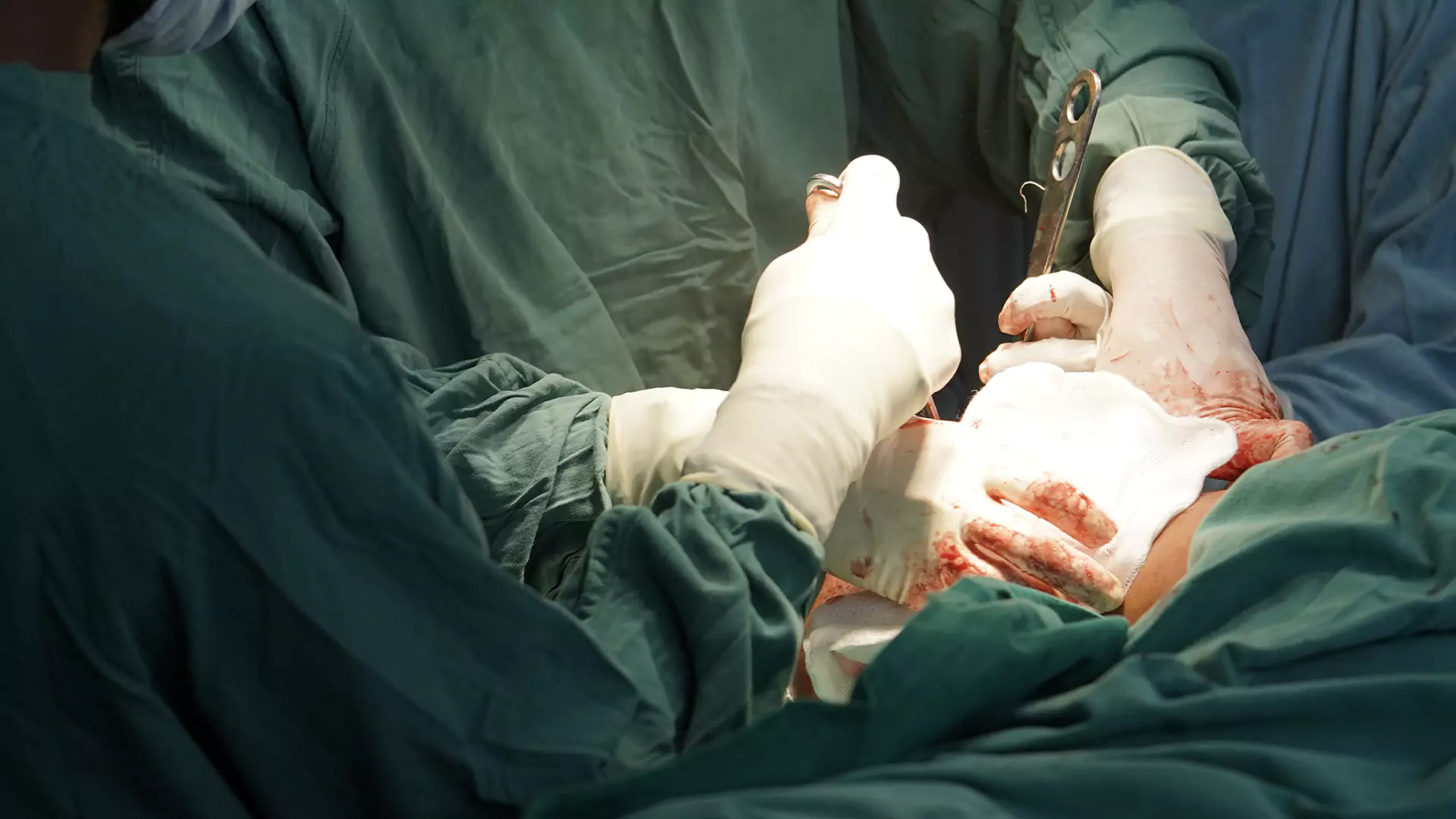
Moreover, joint diseases and injuries frequently result in reduced joint function and mobility, further compromising one’s well-being. Joint replacement surgery serves as a transformative orthopedic intervention, effectively restoring joint function. This renewed mobility empowers orthopedic patients to move freely, engage in activities they were previously unable to partake in, and ultimately experience increased independence and a more active lifestyle. As a result, patients not only benefit physically but also witness improvements in their mental and emotional well-being, as they can now participate in social activities, pursue hobbies, and enjoy a higher level of physical fitness. In cases where joint conditions are left untreated, they can progress to the point of disability, making joint replacement surgery an essential means of halting or even reversing this debilitating process. By preventing further joint deterioration, this orthopedic procedure preserves an individual’s ability to lead an active life, reinforcing the importance of timely orthopedic intervention.
Furthermore, joint replacement surgery is pivotal in restoring an individual’s ability to perform essential activities, such as walking, climbing stairs, and getting in and out of chairs or vehicles, without the need for assistance. This newfound functional orthopedic independence is instrumental in maintaining an individual’s dignity and self-sufficiency. Additionally, many individuals with joint conditions struggle to work or engage in their careers due to persistent pain and reduced orthopedic mobility. Joint replacement not only offers the prospect of returning to the orthopedic workforce but also allows individuals to remain actively engaged in their professions. In addition, patients suffering from chronic joint pain often resort to pain medications, which come with various side effects and potential long-term health risks. Joint replacement can significantly reduce or eliminate the need for these orthopedic medications, leading to an overall enhancement of health.
Another vital aspect of joint replacement surgery is the durability of the implants, with many designed to last for 15 to 20 years or even longer. This orthopedic longevity ensures that orthopedic patients can enjoy the benefits of the orthopedic procedure for an extended period, offering a long-lasting solution to their orthopedic joint problems. Furthermore, advances in orthopedic medical technology have ushered in increasingly personalized orthopedic joint replacement procedures. Orthopedic surgeons can tailor the orthopedic surgery to match an individual’s unique anatomy and specific orthopedic needs, resulting in improved outcomes and a higher orthopedic success rate. Lastly, ongoing orthopedic research and orthopedic innovation in the field of joint replacement have given rise to minimally invasive orthopedic surgical techniques, shorter orthopedic recovery times, and reduced postoperative orthopedic pain. These orthopedic developments have made the orthopedic procedure more accessible and less intimidating for orthopedic patients, making it a more attractive and feasible orthopedic option for those in need.
Rheumatoid Arthritis: In cases of rheumatoid arthritis, an autoimmune orthopedic disease, the body’s immune system mistakenly targets the synovium, the lining of the membranes surrounding the orthopedic joints. This leads to orthopedic inflammation, pain, and joint damage. When traditional medical orthopedic treatments fail to control the orthopedic disease and joint damage becomes extensive, joint replacement may be explored to improve your quality of life.
Post-Traumatic Arthritis: Orthopedic joint injuries, such as fractures or dislocations, can result in long-term orthopedic joint damage and the development of orthopedic arthritis. If orthopedic pain and limitations persist after the initial orthopedic injury has healed, joint replacement surgery may offer a suitable orthopedic solution to restore orthopedic function and relieve orthopedic discomfort.
Avascular Necrosis: Avascular orthopedic necrosis occurs when there is a loss of blood supply to the orthopedic bone, leading to orthopedic bone death and significant orthopedic joint damage. Joint replacement becomes necessary when this orthopedic condition progresses to a stage where it causes severe orthopedic pain and orthopedic joint dysfunction.
Other Forms of Arthritis: We recognize that orthopedic joint issues can arise from various forms of orthopedic arthritis, including psoriatic orthopedic arthritis and ankylosing orthopedic spondylitis. In cases where these orthopedic conditions severely affect your orthopedic joints, joint replacement orthopedic surgery may be an orthopedic option to enhance your orthopedic mobility and alleviate orthopedic pain.
Injuries and Trauma: Serious orthopedic joint injuries, particularly in weight-bearing orthopedic joints such as the hip and knee, can result in persistent orthopedic joint damage and chronic orthopedic pain. Joint replacement orthopedic surgery may be necessary to help you regain your orthopedic mobility and lead an active orthopedic life.
Congenital Joint Disorders: For some individuals, congenital orthopedic joint disorders can lead to abnormal orthopedic joint development and ongoing orthopedic discomfort. In cases where these orthopedic conditions result in orthopedic pain and orthopedic functional limitations, joint replacement orthopedic surgery may be considered to improve your orthopedic joint function.
Tumors: While rare, the presence of tumors within or near an orthopedic joint may require joint replacement orthopedic surgery to address the orthopedic issue and relieve orthopedic pain and orthopedic discomfort.
It’s important to understand that joint replacement orthopedic surgery is not the first course of action. Our experienced orthopedic healthcare professionals will always explore conservative orthopedic treatment options first. These may include pain management strategies, physical orthopedic therapy, and orthopedic lifestyle adjustments. The decision to proceed with joint replacement orthopedic surgery is made when non-surgical orthopedic treatments no longer provide adequate relief, and your orthopedic pain and orthopedic physical limitations significantly impact your daily life.
At MJ Naidu Super Specialty Hospital, we are dedicated to helping you make the right decisions about your orthopedic joint health, and we are here to guide you on your orthopedic journey to renewed mobility and an improved quality of life. Your orthopedic comfort and well-being are our top priorities.
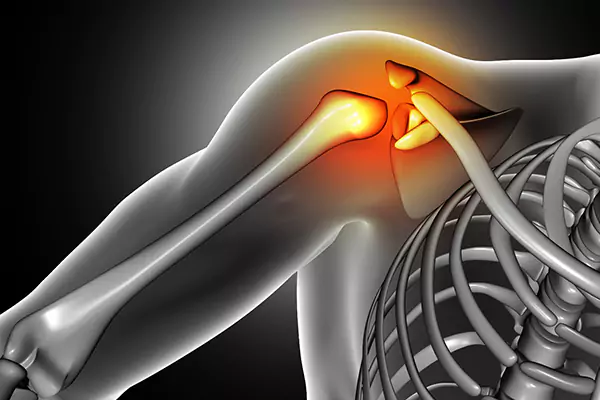
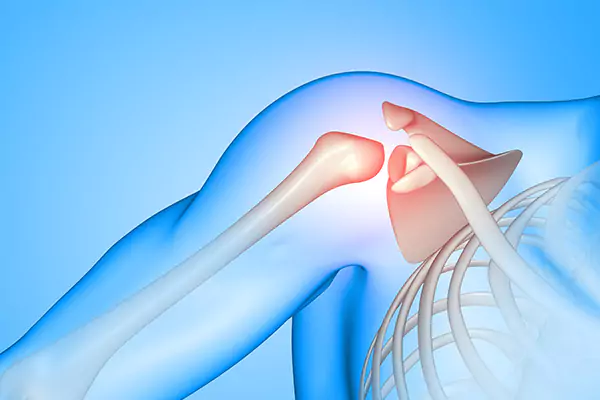
Shoulder Replacement Surgery: Recommended for those grappling with osteoarthritis, rheumatoid arthritis, severe rotator cuff injuries, and shoulder fractures, this orthopedic procedure entails the replacement of the damaged shoulder joint with an artificial shoulder implant. This may encompass the replacement of the humeral head (ball), the glenoid (socket), or solely one of these components.
Elbow Replacement Surgery: Catering to conditions such as rheumatoid arthritis, severe elbow fractures, osteoarthritis, and post-traumatic arthritis, this orthopedic surgery involves the replacement of the damaged elbow joint with a prosthetic joint that replicates the natural hinge-like movement of the elbow.
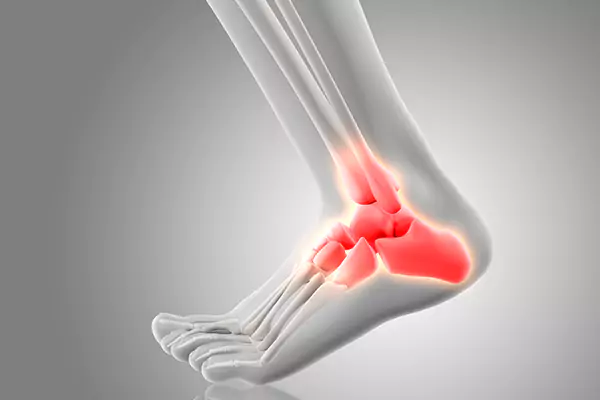
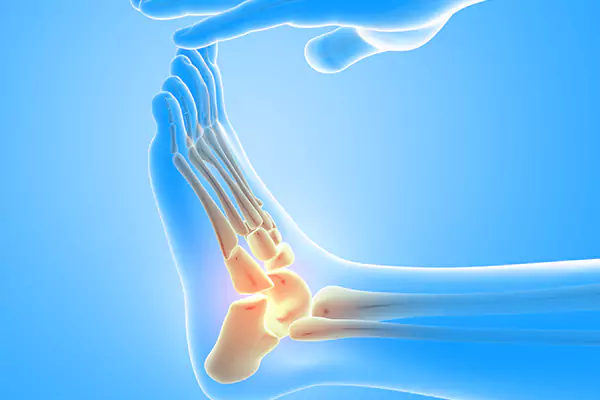
Ankle Replacement Surgery: Targeted at end-stage ankle arthritis, chronic ankle pain, and post-traumatic ankle arthritis, this orthopedic surgery revolves around the replacement of the damaged ankle joint with an artificial implant that faithfully mimics the natural range of motion of the ankle.
Wrist Replacement Surgery: Suitable for patients with rheumatoid arthritis, severe wrist injuries, and wrist joint instability, this orthopedic procedure entails the replacement of the damaged wrist joint with an artificial wrist implant. The primary aim is to restore wrist function and alleviate pain.
Prevention of Disability: Joint replacement halts the progression of joint deterioration, preserving an individual’s ability to lead an active life.
Functional Independence: Patients regain the ability to perform essential activities without assistance, maintaining dignity and self-sufficiency.
Reduced Medication Dependence: Our orthopedic team aims to significantly reduce or eliminate the need for pain medications, enhancing overall health.
Personalized Treatment: Advanced medical technology allows us to tailor the surgery to match an individual’s unique anatomy, resulting in improved outcomes.
Minimally Invasive Techniques: Ongoing research and innovation have made the procedure more accessible and less intimidating, with shorter recovery times and reduced postoperative pain.
Finally we can say, At MJ Naidu Super Specialty Hospital, we’re dedicated to transforming lives through joint replacement surgery. We prioritize your comfort, mobility, and overall well-being. Our experienced orthopedic team focuses on pain relief, enhanced mobility, and improved quality of life, aiming to prevent disability and medication dependence. We offer personalized treatment with minimally invasive techniques for lasting results. Your journey to joint health is our privilege, and we’re committed to making it a successful and fulfilling one. At MJ Naidu Super Specialty Hospital, your health and happiness are our top priorities, and we’re here to support you every step of the way.