One of the Best Orthopedic Hospitals in Vijayawada for Pain Management
Welcome to MJ Naidu Super Specialty Hospital, where your relief from orthopedic pain is our priority.
Pain is an inevitable part of the human experience, and when it comes to orthopedic issues, it can be especially worsening. Orthopedic pain can affect the bones, joints, muscles, ligaments, and tendons, making even the simplest daily activities a challenge. At MJ Naidu Super Specialty Hospital, we understand the challenges that patients face when dealing with orthopedic pain, and our commitment to pain management is unwavering.
Orthopedic pain is a complex and often persistent issue that requires specialized care and management. In this comprehensive guide, we will delve into the critical aspects of pain management in orthopedic care. We will explore the various types of orthopedic pain, the techniques and therapies that can alleviate this pain, and the holistic approach we take at MJ Naidu Super Specialty Hospital to provide the utmost level of care to our patients.
Orthopedic pain management is not just a service we provide; it’s a mission we embrace. We believe in enhancing the quality of life for our patients by effectively managing their pain, restoring their mobility, and allowing them to regain their independence. Our team of dedicated specialists, cutting-edge technology, and comprehensive approach set us apart as a leading institution in the field of orthopedic pain management.
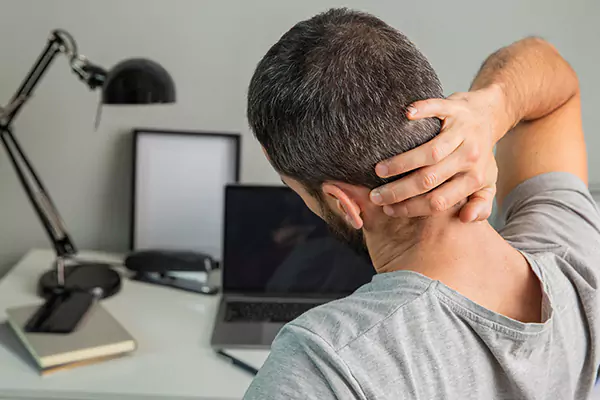
Pain is a common symptom experienced by individuals with orthopedic conditions. Whether it’s arthritis, a fracture, a sports injury, or chronic back pain, effective pain management is crucial for improving the quality of life and promoting the healing process.
At MJ Naidu Super Specialty Hospitals, we understand the challenges of living with orthopedic pain, and we’re committed to providing you with the best pain management strategies available.
Prevalence of Orthopedic Pain
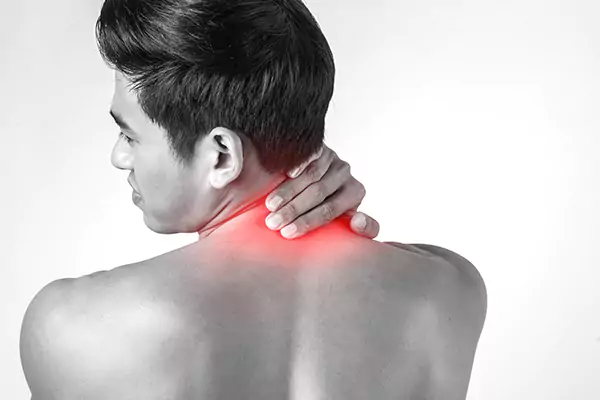
Orthopedic pain is a prevalent health issue that impacts millions of individuals worldwide. Whether it’s the result of an injury, a chronic condition, or degenerative changes in the musculoskeletal system, orthopedic pain is a leading cause of disability and a common reason for seeking medical care. Understanding the underlying causes of orthopedic pain is the first step towards effective management.
Strains and Sprains: Muscle strains and ligament sprains can lead to acute pain, often following strenuous physical activity or accidents.
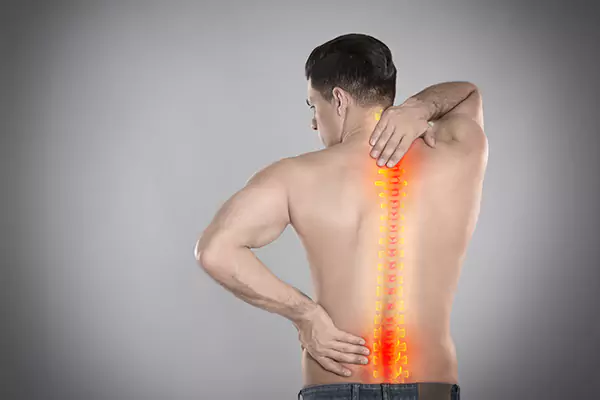
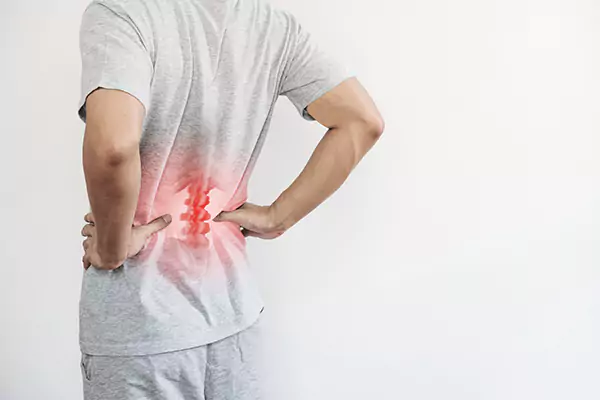
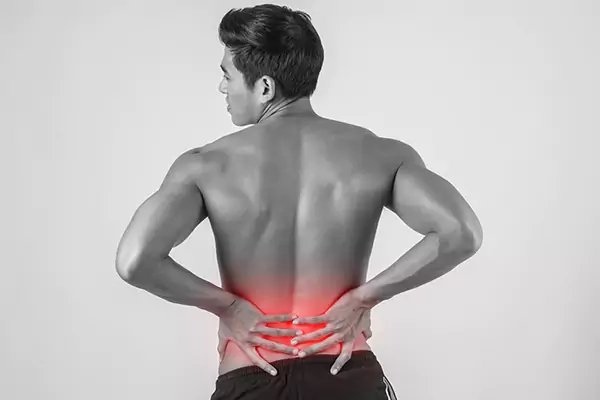
Herniated Discs: Herniated discs in the spine can cause chronic back and leg pain, making daily activities challenging.
Sciatica: Sciatica is characterized by radiating pain from the lower back down the leg, often due to compression of the sciatic nerve. It can be extremely uncomfortable and debilitating.
Osteoporosis: Osteoporosis weakens bones and can lead to fractures and pain. Proper management is essential to reduce the risk of injury.
Joint Degeneration: The gradual deterioration of joint cartilage, commonly seen in osteoarthritis, leads to chronic joint pain and stiffness.
Understanding the specific type and cause of orthopedic pain is vital in developing an effective treatment plan. At MJ Naidu Super Specialty Hospital, we specialize in diagnosing and managing a wide range of orthopedic conditions, ensuring that patients receive the most appropriate care for their unique needs.
Neuropathic Pain: Neuropathic pain is a condition that arises from nerve damage or dysfunction. Conditions such as sciatica or peripheral neuropathy can lead to neuropathic pain. Imagine a patient with sciatica experiencing radiating pain from their lower back down to their leg due to compression of the sciatic nerve. Neuropathic pain can be challenging to manage due to its unique nature.
Orthopedic Surgery: Surgery is considered when other options prove insufficient. Minimally invasive procedures and joint replacements can restore function and provide relief from chronic orthopedic pain.
Lifestyle and Dietary Modifications: Orthopedic pain management isn’t limited to medical interventions. Encouraging patients to maintain a healthy lifestyle and make dietary adjustments can significantly contribute to pain reduction and overall health.
Psychological Support: Chronic pain can take a toll on mental well-being. Psychological support offers coping strategies and emotional assistance to patients, enhancing their overall pain management experience.
At MJ Naidu Super Specialty Hospital, we offer a personalized approach, ensuring that each patient receives the most appropriate and effective pain management strategies tailored to their unique circumstances.
Customized Exercise Routines: Based on the assessment, physical therapists design customized exercise routines and techniques. These exercises are targeted to strengthen muscles, improve joint flexibility, and enhance overall mobility.
Pain Reduction: Through a combination of therapeutic exercises and manual therapy techniques, physical therapists aim to reduce pain and discomfort. This approach helps patients regain functionality and independence.
Preventing Recurrence: Physical therapy not only addresses existing pain but also focuses on preventing the recurrence of orthopedic issues. Patients are educated on proper body mechanics and techniques to minimize future pain.
Modalities: In some cases, physical therapists may use modalities like heat, cold therapy, or electrical stimulation to complement exercise routines and reduce pain.
Physical therapy is a critical part of orthopedic pain management, focusing on improving function and enhancing the patient’s quality of life. The goal is to empower patients to take an active role in their recovery, ensuring a faster return to their daily activities and a life with reduced pain.
The incorporation of modern robots and machines in physiotherapy at MJ Naidu Super Specialty Hospital is of paramount importance. These cutting-edge technologies bring precision and targeted therapy to orthopedic and musculoskeletal rehabilitation, ensuring consistent and repetitive exercises that are tailored to individual patient needs. They engage patients through interactive interfaces and gamification, encouraging compliance with treatment plans, while also enabling objective progress tracking.
Moreover, these machines enhance safety, minimizing the risk of injury during rehabilitation, making them particularly valuable for post-surgical and acute pain cases. They optimize resource utilization, freeing healthcare providers for more complex cases, and position the hospital as a leader in state-of-the-art rehabilitation, improving patient outcomes, increasing satisfaction, and providing a competitive advantage in the healthcare industry.
Our comprehensive approach, from diagnostics to surgery and rehabilitation, ensures seamless continuity of care, resulting in positive outcomes that transform lives.
Choose MJ Naidu Super Specialty Hospital for world-class orthopedic care that puts your well-being first.